Self Learning
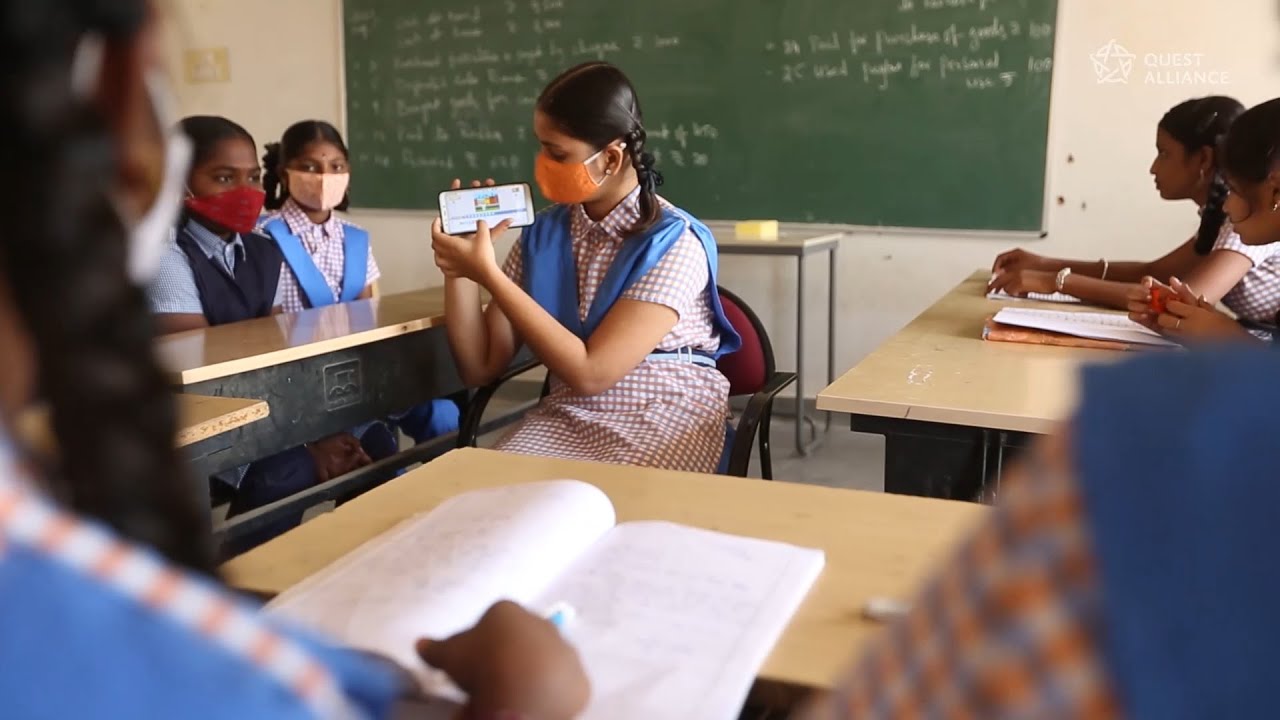
Self-learning as a process, over time, builds skills such as self awareness, critical thinking, communication, collaboration; what are now termed 21st century skills.
What is Self-learning?
Self-learning as a concept is not new. Terms analogous with Self-learning include, self-directed learning, self-designed learning, self-regulated learning, lifelong learning. Self-directed learning (SDL) has its roots in the concept of adult education, while self-regulated learning (SRL) on the other hand, is mostly studied in the school environment. In SDL, it is the learner who defines the learning task, in SRL it may also be a teacher.
Influencing Factors
Factors that Influence Self-learning
While the core values appear acceptable and desirable, they do not always get integrated in to our everyday lives. As a part of our sharing, we want to highlight five major factors that influence the practice of Self-learning by individuals as well as organizations.


What, Why, How
The What, The Why and The How
Learn about what Self-learning means to today’s learners, the values that guide Self Learning and the things that help build a Self-learning envaronment.

Publications
-

Self-learning: Concepts, Principles & Strategies
This paper aims to reimagine the way we think of learner-centric and learner driven learning.
-
Strategic Plan 2019-2023 – Transforming School-To-Work Ecosystems Through Self-Learning
This five year plan has chalked out new opportunities to transform learning ecosystems through education technology, capacity building, and collaboration. We’re amplifying our work, advocacy and scope to empower 4 million learners, equip 50,000 educators, partner with 7 state governments, build our network of 950 CSOs and ITIs, and strengthen 5450 schools, across 12 states.
